


Introduction to the Role of Cap Factories in Headwear Trends
In the world of fashion, trends come and go, but the need for quality, fit, and performance remains constant. This is especially true in the realm of headwear, where cap factories like New Generation play a pivotal role in setting trends. As a leading cap manufacturer and cap factory, New Generation is at the forefront of headwear fashion, creating caps that are not only functional but also stylish and trendsetting
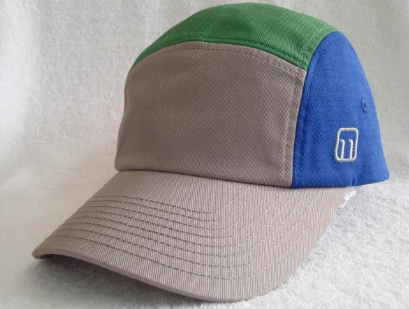

The cap factory is a fascinating blend of creativity, craftsmanship, and technology. It's where raw materials are transformed into stylish and functional headwear that people around the world wear every day. The process of cap production in a cap factory is a complex one, involving various stages such as material selection, design, cutting, sewing, and quality control.
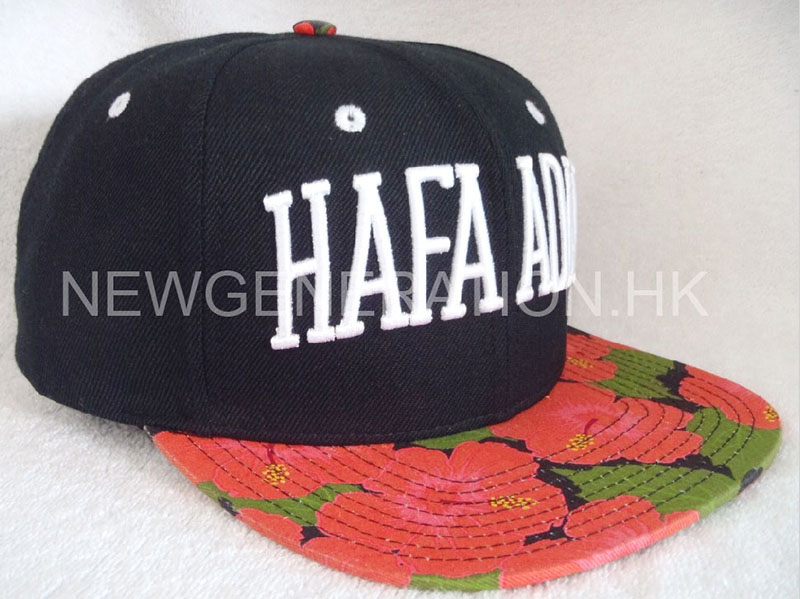
In the bustling world of fashion, the cap manufacturing industry holds a unique place. Caps, a versatile accessory, have transcended from being a mere functional item to a significant fashion statement. At the heart of this transformation lies the cap factory, a hub where creativity, precision, and craftsmanship come together to produce stylish and high-quality caps。

The cap factory is a fascinating blend of creativity, craftsmanship, and technology. It's where raw materials are transformed into stylish and functional headwear that people around the world wear every day. The process of cap production in a cap factory is a complex one, involving various stages such as material selection, design, cutting, sewing, and quality control.

The cap factory is a fascinating blend of creativity, craftsmanship, and technology. It's where raw materials are transformed into stylish and functional headwear that people around the world wear every day. The process of cap production in a cap factory is a complex one, involving various stages such as material selection, design, cutting, sewing, and quality control.
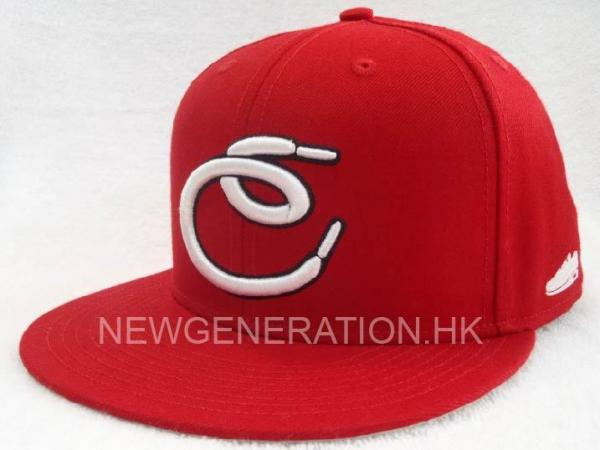
The cap factory is a fascinating world where creativity, craftsmanship, and technology come together to transform raw materials into stylish and functional headwear. The process of cap production in a cap factory is a complex one, involving various stages such as material selection, design, cutting, sewing, and quality control.
In 2026, cap manufacturers need to embrace sustainable materials, stay on top of technological innovations, and navigate supply chain disruptions. These trends and strategies will define the industry's future.
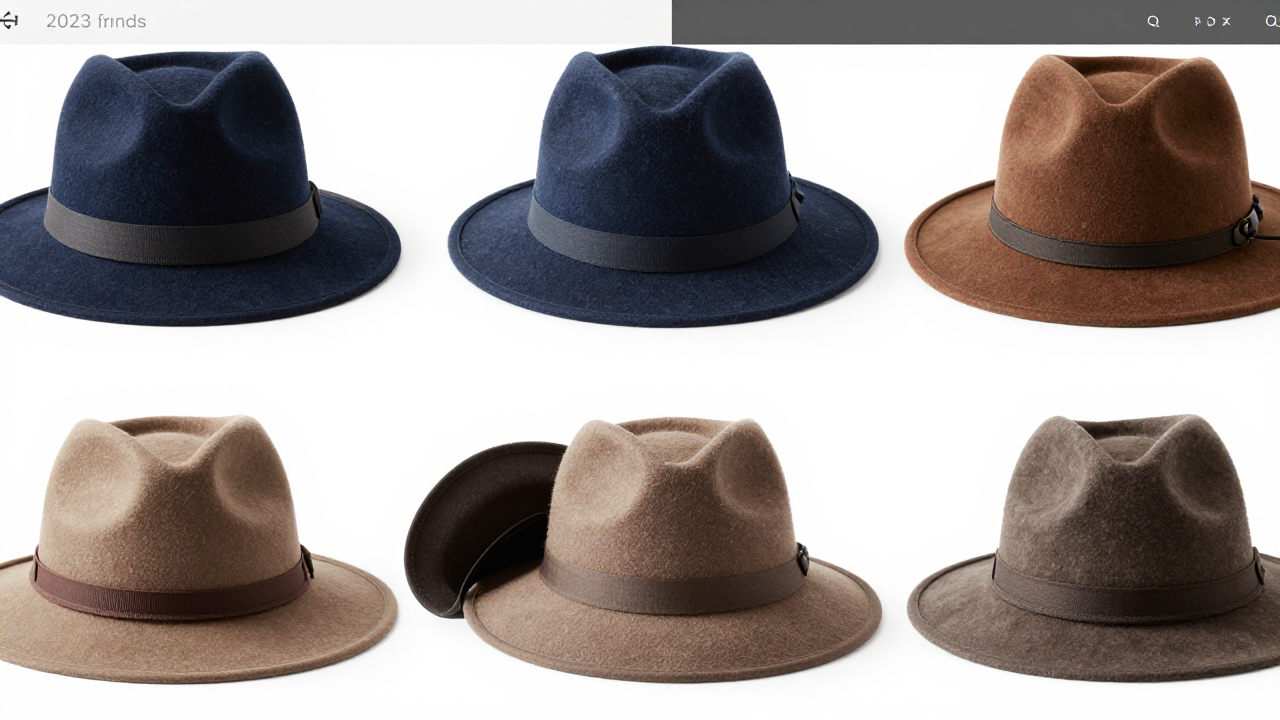
Understanding the Cap Manufacturing Industry: A Comprehensive Overview
The cap manufacturing industry has a rich history, evolving from simple, functional headwear to a fashion staple. Over the years, we've seen significant shifts in design, materials, and production methods.
The Evolution of Cap Manufacturing
Caps have been around for centuries, but the modern cap as we know it—think baseball caps, snapbacks, and trucker hats—emerged in the early 20th century. Initially, they were practical, designed to protect workers and athletes. By the 1950s, caps became a symbol of style and identity. Today, they are a multi-billion-dollar industry, with brands like New Era, Nike, and Adidas leading the market.
Key Players and Market Dynamics
Market leaders like New Era and Nike have set the bar high. They've leveraged their brand power, innovative designs, and robust marketing strategies to dominate. But the industry is dynamic. Smaller, niche players are also making waves with unique offerings and a focus on sustainability. The key to success? Staying agile and responsive to consumer demands.
Top 5 Trends Shaping the Future of Cap Manufacturing in 2026
In 2026, several trends are reshaping the cap manufacturing landscape. Sustainability, technology, and innovation are at the forefront. Let's dive into the details.
Sustainable Materials and Eco-Friendly Practices
Consumers are increasingly conscious of their environmental impact. This shift is driving a demand for eco-friendly products. For cap manufacturers, this means using sustainable materials like organic cotton, recycled polyester, and even plant-based fabrics. Brands that can offer these options will not only meet consumer expectations but also differentiate themselves in a crowded market.
Technological Innovations in Production
Technology is transforming every aspect of cap manufacturing. From 3D printing to automated cutting and sewing, these advancements are streamlining production, reducing waste, and improving quality. For example, 3D printing allows for rapid prototyping and customization, while automated machines ensure consistency and precision. Embracing these technologies can give manufacturers a competitive edge.
Stay tuned for the next part, where we'll explore more trends and how to navigate common challenges in the cap manufacturing industry.
Expert Insights: Tips and Strategies from Industry Leaders
Case Study: NewGeneration's Success Story
NewGeneration, a leading cap manufacturer, has been at the forefront of innovation in the industry. By focusing on custom designs and high-quality materials, they've managed to carve out a significant market share. One of their key strategies is leveraging advanced manufacturing technologies. For instance, 3D printing allows them to create unique, customized caps quickly and efficiently. This not only reduces production time but also enhances customer satisfaction by offering personalized products.
Another critical factor in NewGeneration's success is their commitment to sustainability. They use eco-friendly materials and have implemented processes to minimize waste. This aligns with the growing consumer demand for environmentally conscious products, making them a preferred choice for many customers.
Best Practices for Scaling Your Business
Scaling a cap manufacturing business requires a strategic approach. One of the most effective ways to achieve this is by expanding your product line. Diversifying your offerings can help you tap into new markets and increase your revenue streams. For example, adding beanies, visors, or even custom headbands can attract a broader customer base.
Investing in digital transformation is another crucial step. Automating key processes, such as inventory management and order fulfillment, can significantly improve efficiency and reduce operational costs. Additionally, integrating AI and machine learning can provide valuable insights into customer preferences and market trends, enabling you to make data-driven decisions.
Maximizing Your Online Presence: SEO and Digital Marketing for Cap Manufacturers
Optimizing Your Website for Search Engines
To maximize your online presence, it's essential to optimize your website for search engines. Start by conducting keyword research to identify the terms your target audience is using to find cap manufacturers. Tools like Google Keyword Planner and Ahrefs can be invaluable for this purpose. Once you have your keywords, incorporate them naturally into your website content, meta tags, and URLs.
Ensure your website is mobile-friendly and has fast loading times. Google prioritizes user experience, so a responsive design and quick load times can boost your search rankings. Regularly updating your site with fresh, high-quality content, such as blog posts and case studies, can also improve your SEO performance.
Leveraging Social Media and Content Marketing
Social media platforms are powerful tools for engaging with your audience and driving traffic to your website. Platforms like Instagram and Pinterest are particularly effective for visual products like caps. Share high-quality images and videos of your products, and engage with your followers through comments and direct messages. Running targeted ads on these platforms can also help you reach a wider audience.
Content marketing is another essential strategy. Create valuable content that addresses the needs and interests of your target audience. For example, you could write articles about the latest cap trends, how to choose the right cap for different occasions, or the benefits of sustainable materials. This not only helps build your brand authority but also drives organic traffic to your site.
In the context of recent developments, the substantial capex programs outlined by Papua New Guinea retailers, as reported by Business Advantage PNG, highlight the importance of investing in long-term growth and diversification. This real-world example underscores the need for cap manufacturers to adopt similar strategies, such as expanding product lines and embracing digital transformation, to stay competitive and thrive in the evolving market.

The cap manufacturer is a fascinating blend of creativity, craftsmanship, and technology. It's where raw materials are transformed into stylish and functional headwear that people around the world wear every day. The process of cap production in a cap manufacturer's facility is a complex one, involving various stages such as material selection, design, cutting, sewing, and quality control.

The global headwear market, including caps, is a thriving industry with a projected compound annual growth rate (CAGR) of 6.47% over the next five years.As a cap manufacturer, we play a crucial role in this market, contributing to the industry's growth and evolution.
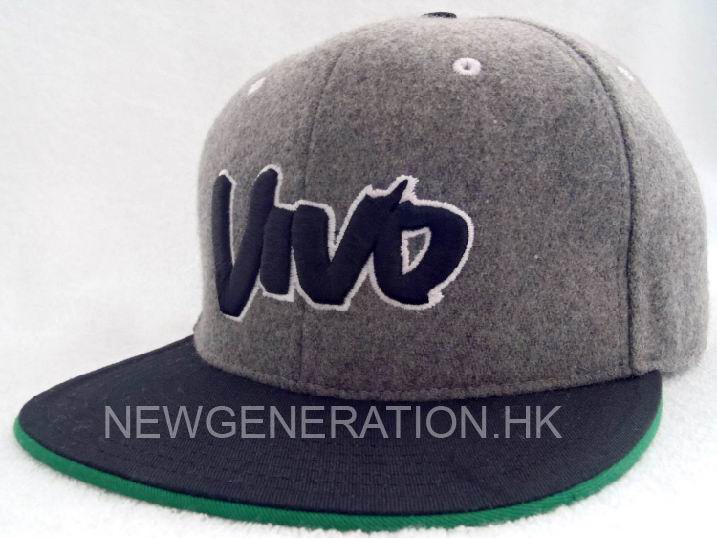
The cap manufacturer is a fascinating blend of creativity, craftsmanship, and technology. It's where raw materials are transformed into stylish and functional headwear that people around the world wear every day. The process of cap production in a cap manufacturer is a complex one, involving various stages such as material selection, design, cutting, sewing, and quality control.
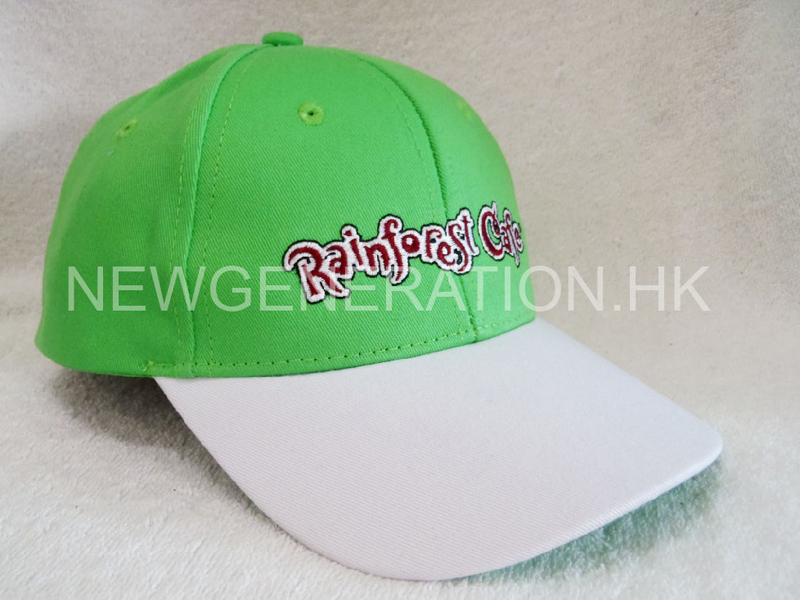
In the dynamic realm of fashion, the cap manufacturing industry holds a distinctive position. Caps, a versatile accessory, have evolved from being a mere functional item to a significant fashion statement. At the heart of this transformation is the cap manufacturer, a hub where creativity, precision, and craftsmanship converge to produce stylish and high-quality caps.
Introduction to the Importance of Quality and Style in Cap Manufacturing
In the world of headwear, two elements stand out as paramount: quality and style. As a leading cap manufacturer and cap factory, New Generation understands the importance of these elements and strives to weave them into every stitch of our caps.
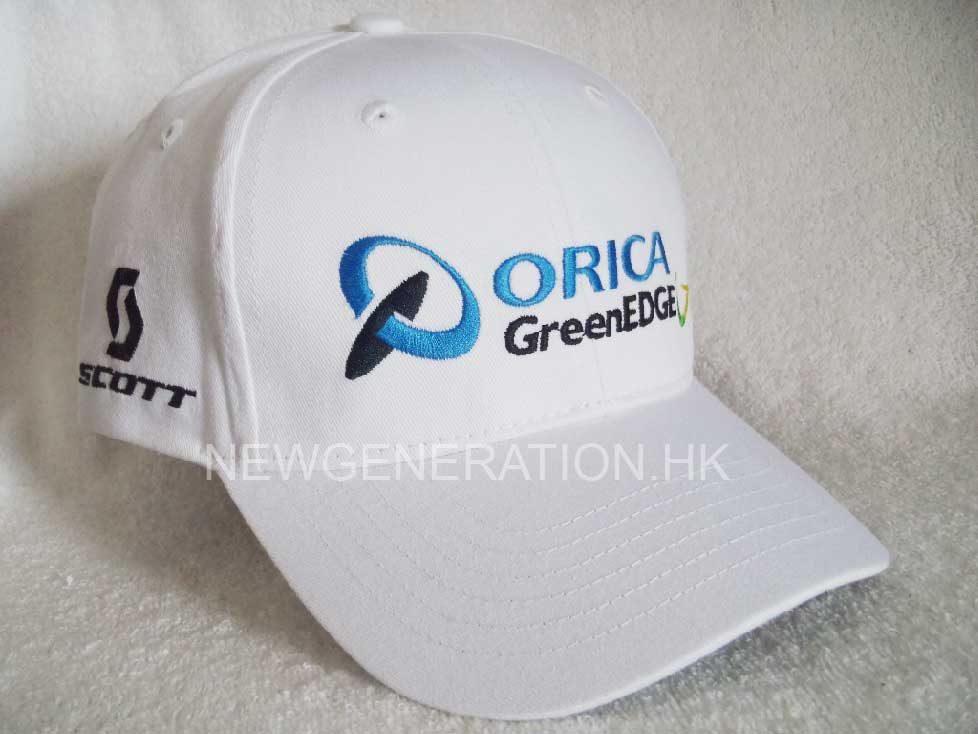
Caps are a versatile fashion accessory that can be worn in various situations, from everyday wear to special occasions. As a leading cap manufacturer and cap factory, New Generation understands the importance of weaving style into every stitch of our caps. In this article, we will explore the design process of caps and the factors that influence the style of caps.

Published: | Desk: Floor Operations | QC Audit: Yu He
We’ve spent seventeen years on factory floors, wrestling with embroidery machines at 3 a.m. and arguing over thread tension with third-generation artisans. That real-world grind taught us something most buying guides skip: premium caps don’t have to eat 40% of your margin. I’m writing this for boutique owners, merch managers, and supply chain directors sourcing headwear globally—because a few inside moves on the factory floor can drop your per-unit cost by double digits without trimming an ounce of quality.
Reading the Room: How Global cap manufacturers Actually Shape Your Bottom Line
Behind every structured six-panel on a retail shelf sits a cap manufacturer juggling raw material lead times, fluctuating cotton futures, and freight bottlenecks. Grand View Research says the global headwear market hit an estimated $28.3 billion recently, with customized caps outgrowing off-the-shelf SKUs. But out there on the floor, overseas cap manufacturers know most brands overpay simply because their buyers don't understand how production scheduling inside a heavy-duty Chinese cap factory actually dictates overhead costs.
Cost isn’t just unit price. It’s the $0.65–$1.10 per hat you absorb in sea freight from Shanghai to Rotterdam or Long Beach. It’s the 92-hour customs clearance delay that forces an emergency air-shipment restock. If you are tracking total capital expenditure, you need to calculate these adjustments directly via our landed-cost tool rather than relying on raw FOB quotes. A Chicago streetwear brand we checked out once bled $12,400 on a 5,000-unit run just because their 2.2 mm visor board thickness triggered a dimensional weight surcharge during final packing. No one checked the box specs.
Vetting Offshore Cap Manufacturers Without the Guesswork
A shiny digital catalog means zero if a factory can’t hold a 3 mm topstitch tolerance across a 2,000-piece production run. We regularly see UK and European sourcing leads walk into our sample room carrying structured caps from other cap manufacturers where the front panel centerline drifted 5 mm off-center. On a desk it looks minor. On a retail headform, it looks like a cheap knockoff.
Our workshop uses these specific operational baselines when auditing a new offshore cap factory:
| Evaluation Metric | Acceptable Baseline | Red Flag |
|---|---|---|
| Pre-production sample turnaround | ≤7 business days | >10 days with vague material sourcing excuses |
| Minimum Order Quantity (MOQ) per style | 100–200 pieces for custom fabrics | ≥1,000 pieces without multi-color splitting |
| Embroidery stitch density (SPI) | ≥6,000 stitches per design inch | <4,500 causing puckering on twill panels |
| Fabric & Regulatory certification | OEKO-TEX Standard 100 or REACH compliance | Missing independent SGS lab tracking records |
| On-time shipment rate (last 12 months) | ≥94% | <88% with constant "blanket blank delay" claims |
If a vendor can't give you their precise internal defect rate on structured crowns within two minutes of asking, you are gambling with your deposit. Ours sat at 1.9% for Q3 2024, but that took us a full year of re-calibrating our hydraulic brim presses to drop it down from 3.5%.
Real Floor Notes: Mistakes, Adjustments, and Yield Fixes
Forget the idealized supply chain handbooks. True optimization happens when you hit a failure on the line, stop the machines, and re-engineer the physical specifications to fit how a cap factory actually balances its margins.
The London Streetwear Case: 3D Puff Shrinkage and Sashing
A skate apparel label out of East London came to us after their previous cap manufacturers delivered 1,500 structured snapbacks where the high-density 3D puff embroidery began warping and pulling the fabric tight after three weeks in retail storage. When our sample team tore the front panels down, the flaw was obvious: the factory used a standard 4.5-oz polyester buckram lining but ran the embroidery machines at an accelerated speed, dropping the density to 4,200 stitches to clear the line faster.
Our first corrective打样 (sampling run) failed too. We initially tried stepping up to a 7-oz cotton buckram, but under standard machine heat, the heavy thread count caused the outer twill to ripple along the upper crown seam. We had to pause, tear down the digitizing file, and re-sequence the stitch pattern to a true 7-SPI (Stitches Per Inch) lockstitch with a multi-directional underlying fill. To counteract the added cost of the heavy backing cotton, we negotiated to drop their production run into our winter dead zone (Jan 15 - Feb 28) when our machines run light. We knocked 12% off the assembly labor because keeping line operators on active shifts prevents costly turnover. Final landed cost hit £2.92 down from £3.40, and the front crowns stayed flat through their entire autumn drop.
The Munich Outdoor Case: REACH Heavy Metal Failures
This next one shows exactly why generic sourcing sheets fail when dealing with European customs. An outdoor brand in Munich wanted 3,500 unstructured premium dad hats built from GOTS-certified organic cotton. The technical spec required custom antiqued metal tri-glide buckles on the rear arch. The problem? Our first automated batch testing hit a massive roadblock: the alloy component failed the nickel leaching limits specified under EU REACH regulations Annex XVII during independent laboratory screening.
We lost four days of production right there. Most standard cap manufacturers would have just washed the hardware or switched to a cheap plastic snapback to save the timeline. Instead, we completely scrapped the alloy batch and pivoted to a specialized automotive component supplier who machined raw brass hardware with default batch-level SGS heavy-metal clearance. To claw back the €0.18 component price spike, we changed their fabric spec from a boutique-brokered organic canvas to an exact-match 10.5-oz organic indigo twill using our internal custom fabric database.
We then packed their shipment into a consolidated LCL lot, co-loading it with an unrelated enterprise shipment inside an FCL container routed directly to Hamburg port. By bypassing the volatile spot air freight market and changing the fabric routing, the net landed cost fell by €0.56 per unit, absorbing the brass hardware upgrade and clearing German border testing without a single red flag.
| Cost-Saving Tactic | Typical Per-Unit Drop | Risk Mitigation Protocol |
|---|---|---|
| Off-peak seasonal line booking | 8–12% | Wire your 30% fabric deposit 60 days before the winter shutdown hits. |
| Raw material substitution (local twill vs imported canvas) | 5–9% | Check out our MOQ fabric breakdown guide to align stock availability. |
| Consolidated LCL-to-FCL maritime routing | 12–18% on shipping | Force the factory to pack in 55×35×30 cm outer cartons to match standard Euro-pallets. |
Where Smart Retailers Bleed Cash
Chasing the lowest FOB price while ignoring volumetric space is how you kill cash flow. A supplier using standard 60×40×40 cm boxes instead of space-optimized packaging adds roughly $0.22 per hat in dead-space air freight costs. On a 3,000-unit run, you are writing a $660 check to your forwarder for importing Chinese air.
MOQs exist to protect a factory's fabric roll yield, but they shouldn't lock you into dead retail stock. If a major cap factory holds a hard line at 500 units, do not try to fight the volume. Ask them for their exact raw fabric roll length and offer to split that specific yardage allocation across two different colorways or delivery dates. It satisfies their cutting-table yield while preventing you from holding two seasons of unmovable inventory.
Your Next Steps: Factory-Floor Copy-Paste Templates
If you have an active headwear release scheduled for the upcoming quarters, do not send generic "Can you make this?" emails. Use these three exact technical scripts with your suppliers tomorrow morning:
1. Paste this into your active Tech Pack under Stitching Specifications:
"CRITICAL SPECIFICATION: Front crown panels must utilize a minimum of 6,000 stitches per design inch with a true 7-SPI (Stitches Per Inch) lockstitch setup. Backing must be double-layered cotton buckram (minimum 7-oz weight). Samples showing crown seam wrinkling or puff distortion due to tension acceleration will be rejected at factory expense."
2. Use this script to bypass high sampling fees for testing construction:
Email your current account rep this text: "We want to evaluate your factory's true structural seam alignment and sweatband foam calibration before final dye-matching. Please send an unbranded 'Line-Cut' engineering sample using whatever scrap fabric is currently loaded on your lines. We require a 0.9mm to 1.1mm sweatband foam thickness benchmark." (You can review our complete benchmarking manual on our dedicated engineering sample protocol page).
3. Send this breakdown to our production desk:
Drop your design files and current tech packs onto our desk via our OEM Production Contact Page. We will perform a component-by-component teardown, analyze the stitch sequencing, and show you exactly where to substitute components to drop your bill of materials by 15% before you wire a single dollar of deposit.
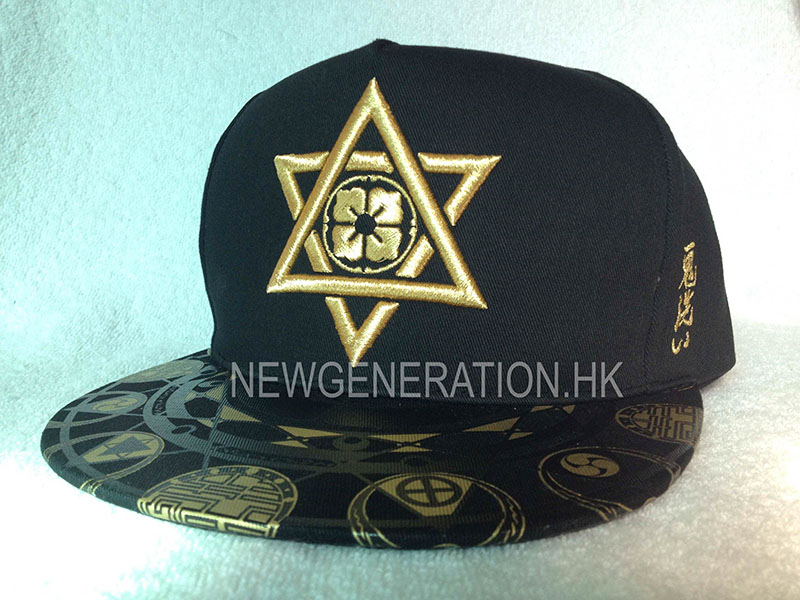
People have used hats in their daily life for centuries because hats always display a definite fashion statement. We all know that if you want to buy caps for business purposes, there is no better place than China. Like any other product; you can get top-quality hats in China made from a wide variety of materials. Cap Manufacturers are one of the top revenue-generating companies in China.
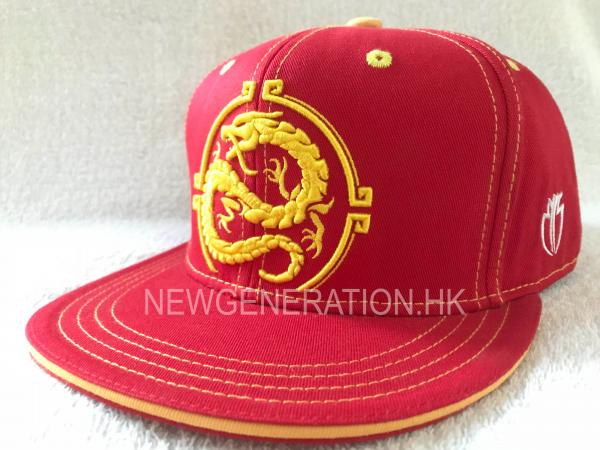
The cap manufacturer is a fascinating blend of creativity, craftsmanship, and technology. It's where raw materials are transformed into stylish and functional headwear that people around the world wear every day. The process of cap production in a cap manufacturer is a complex one, involving various stages such as material selection, design, cutting, sewing, and quality control.

In the highly competitive fashion and apparel industry, choosing the right cap manufacturer is critical for building a distinctive brand presence. As a business looking for premium quality customized hats or innovative hat designs, partnering with a reliable cap factory that delivers excellence can make all the difference. From personalized hats to bulk orders, selecting the right supplier ensures you meet customer demands, maintain quality, and achieve a competitive edge in your market.

In the business world, hats are no longer optional but required. Among the new generation, some of the leading hat manufacturers and trusted hat factory, we understand the importance of quality, customization and creativity in creating a perfect fit of hats along with your business goals.
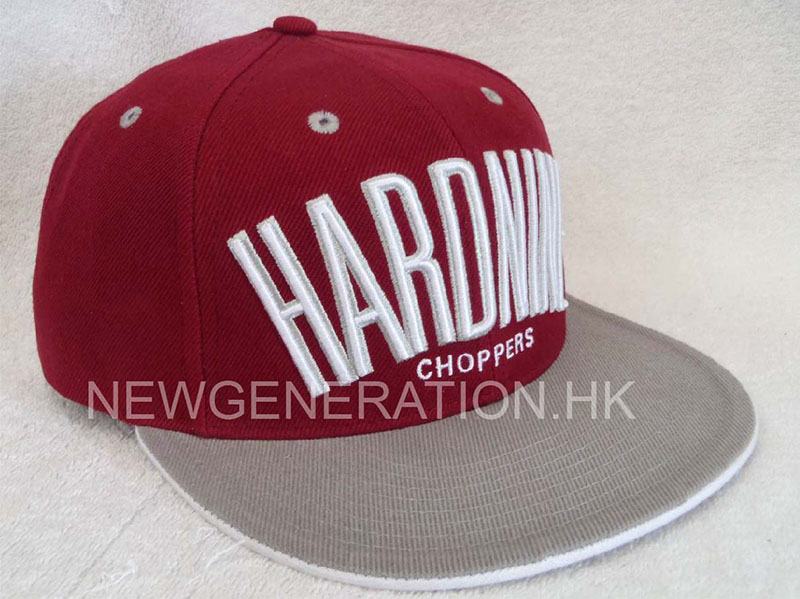
In today's highly competitive B2B landscape, establishing a recognizable corporate identity is more crucial than ever. A cap manufacturer who understands this need can become a powerful ally. New Generation, a premier cap factory, specializes in creating custom sports caps and personalized hats that enable businesses to project a strong and cohesive brand image.

Hat become has customization a trend popular in industry fashion the individuals allowing, to express their unique style and personality.
creativity customized hats have become a powerful tool. These hats are more than just stylish accessories—they are innovative, personalized solutions that help businesses express their brand identity and connect with their target audience. As the demand for customized hats grows, leading cap manufacturers and cap factories like New Generation are stepping up to offer businesses unique opportunities to create distinctive, market-ready products.
In today's competitive marketplace, effective branding is more crucial than ever. Businesses are continually looking for creative ways to connect with their audience and make a lasting impression. One of the most effective strategies is partnering with reputable cap manufacturers to create customized hats that resonate with your brand’s identity.
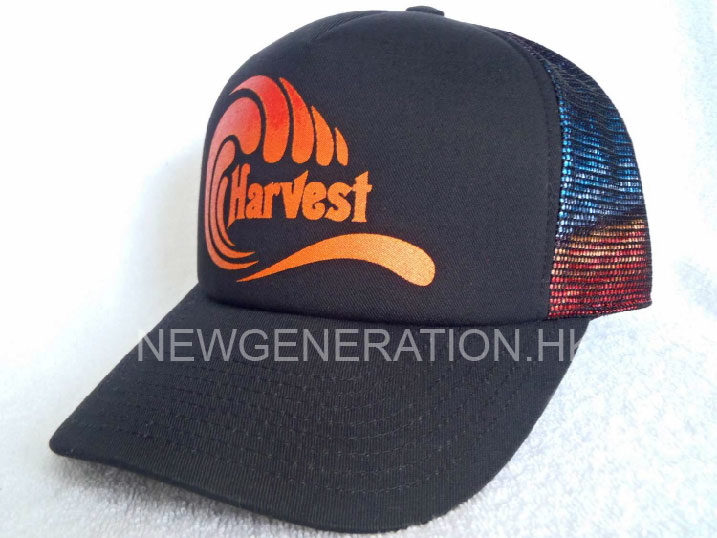
Sports ... ... ... are not just about physical activity; they are also a way of life for many individuals. Whether you're a professional athlete or a recreational sports enthusiast, having the right gear is essential. Custom sports caps offer a unique opportunity to showcase your personal style while staying protected and comfortable during your favorite activities. In this article, we will explore the world of custom sports caps and how they can unleash your creativity on and off the field.
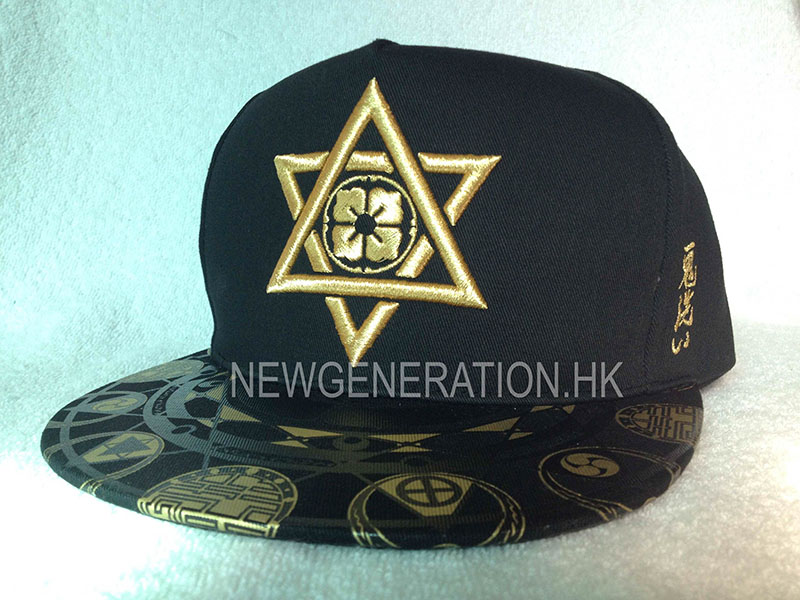
In the world of fashion, accessories play a crucial role in expressing individuality and making a style statement. One accessory that has gained popularity in recent years is the fisherman beanie. Known for its cozy and versatile design, the fisherman beanie offers a perfect blend of fashion and functionality. However, to truly stand out from the crowd, many individuals are turning to customized fisherman beanies. This article will explore the world of customized fisherman beanies and how they allow fashionable individuals to unleash their creativity.
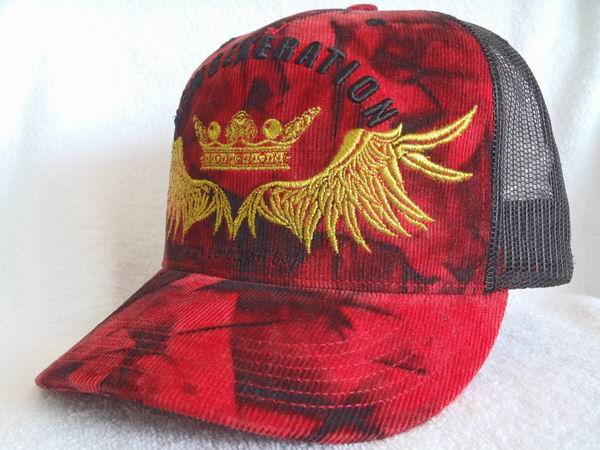
Those who are tired of wearing old hats should buy a personalized large baseball cap. This is a good place to invest. Many people may be tired of the commercial caps that are usually on the market. People of all ages, from infants to the elderly, enjoy wearing baseball caps. Check out more about the custom cap manufacturers and baseball caps manufacturers.

Hats that have been personalised or embroidered are usually great promotional goods. They're useful for event attendees and make terrific giveaways. Businesses who give free hats have a slightly different perspective.
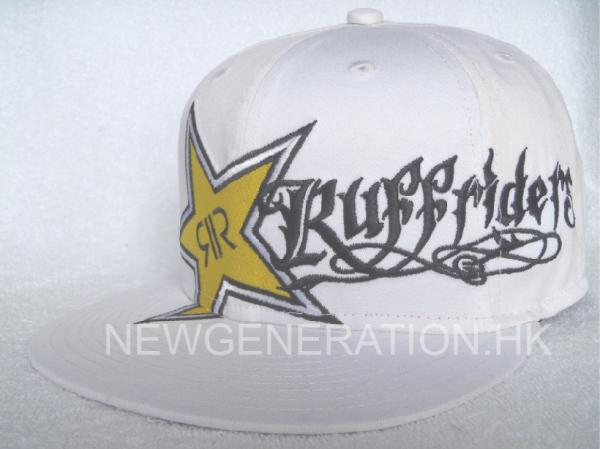
The current competitive business era majorly depends on the worth and effectiveness of advertising and marketing your brand name. You just cannot neglect this considerable tool when it comes to achieving success. Seek the assistance of a specialized Custom Hat Manufacturer to obtain promotional customized caps for advertising and marketing.
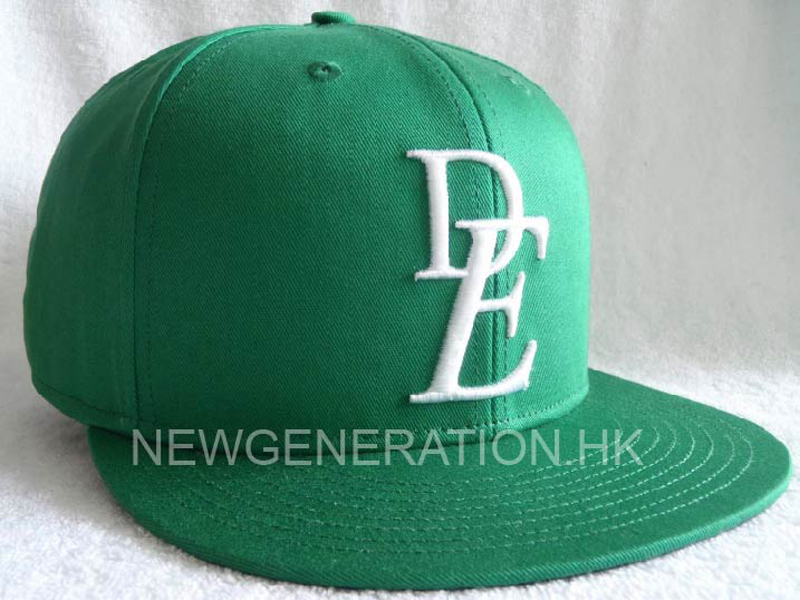
Indubitably, employing an expert and skilled Custom Hat Manufacturer can make this process easier for you. Combining their wealth of experience they can efficiently produce caps and handle your bulk orders as well.
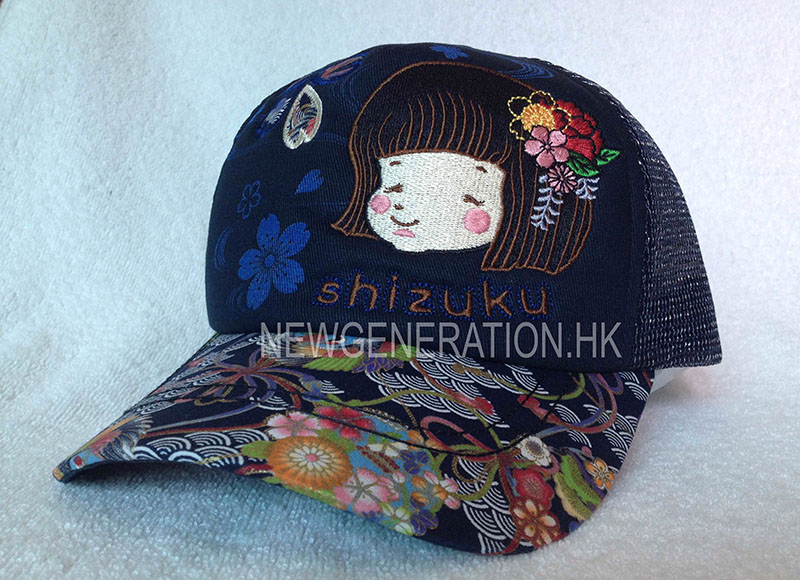
Tech packs are typically documents created by designers, technical designers, and product developers. This document includes information about the below:
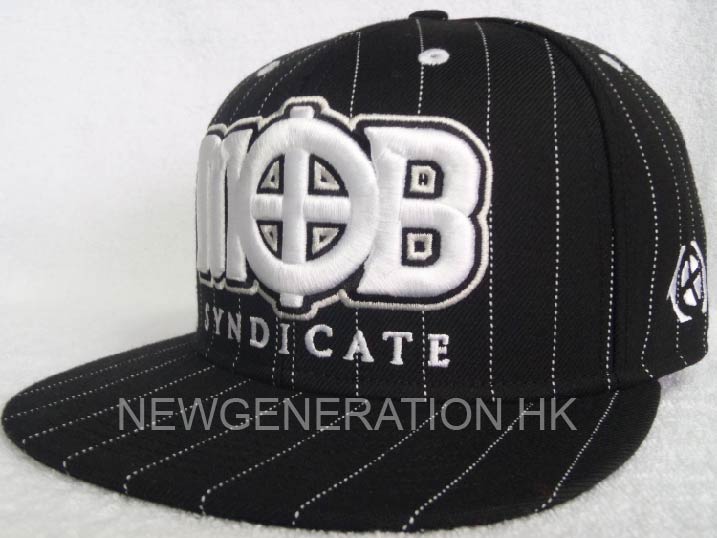
When it comes to a hat, it is an accessory worn on the head for different purposes, be it for decorative purposes or to protect you from the heat or cold or as an ornament, as a social status symbol, or as protection.

Whether you are attending a retail, sporting or corporate event, custom hats are an effective way to promote your brand. At our new generation of worthy and trusted hat manufacturers and hat factories, we focus on providing high quality custom hats customized to your needs. From custom sports caps to innovative hat designs, we provide solutions that not only meet your expectations but enhance your brand image.
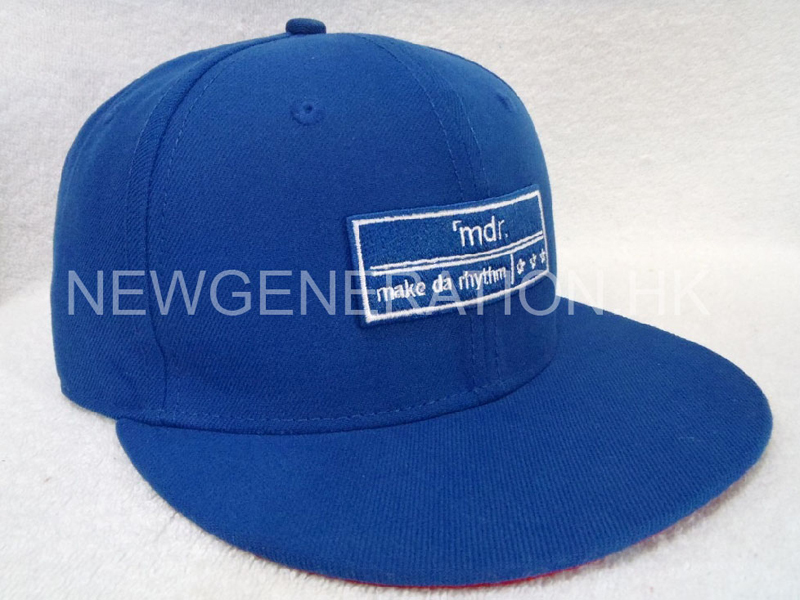
As the modern workplace continues to evolve, businesses are finding innovative ways to boost employee morale, promote individuality, and reinforce team spirit. While many organizations focus on traditional benefits like health insurance and retirement plans, there's a growing trend of offering more personalized perks—one of the most unique being customized hats.
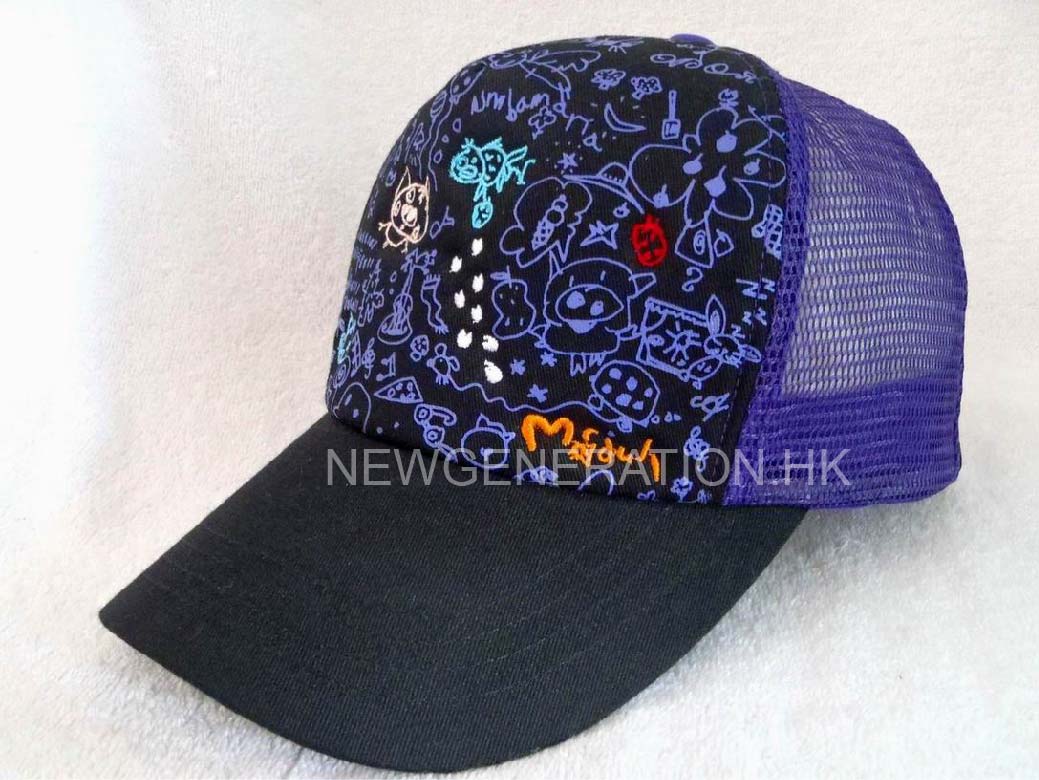
Caps are a very popular headwear used almost everywhere in the world. They are available in various shapes and sizes, colors and patterns. There are several hat variants named after their function and the occupation of the hat wearer.

Article Three: The Appeal of Snapback Hats
When talking about customizable caps, we cannot forget snapback hats – loved by many for their versatility and cool factor.
Boost Your Brand Visibility with Customized Hats: How Cap Manufacturers Can Elevate Your Business with Custom Sports and Baseball Caps
In the highly competitive world of branded merchandise, standing out is essential. One of the most effective ways to boost your brand’s visibility and engage with customers is through customized hats. Whether it's for a sports team, promotional event, or as part of your product line, hats are a timeless accessory that offers vast potential for customization. This article explores how cap manufacturers can help businesses elevate their brand through custom sports caps and baseball caps, offering personalized solutions that meet the needs of modern consumers.
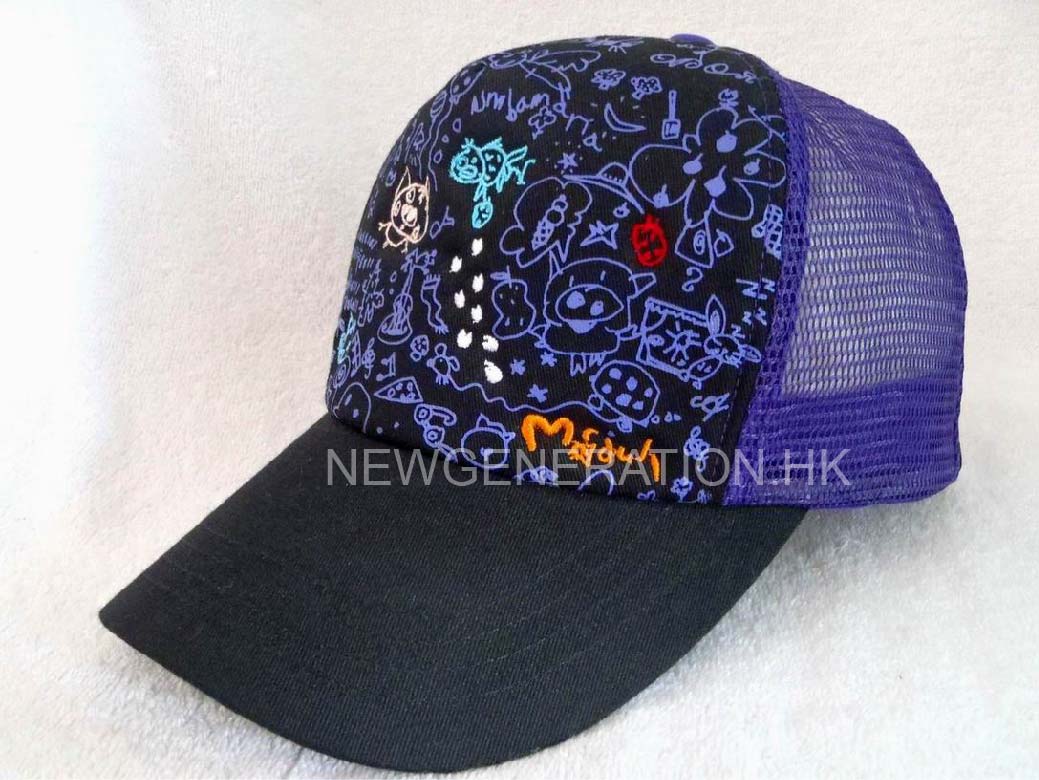
Sports have always been a powerful medium for bringing people together and fostering a sense of community. Whether you're a player or a fan, showing support for your favorite team is an essential part of the sports experience. One way to demonstrate your team spirit is through custom sports caps. These personalized accessories not only allow you to proudly display your allegiance but also add a stylish touch to your overall look. This article will guide you on how to show your team spirit in style with custom sports caps.
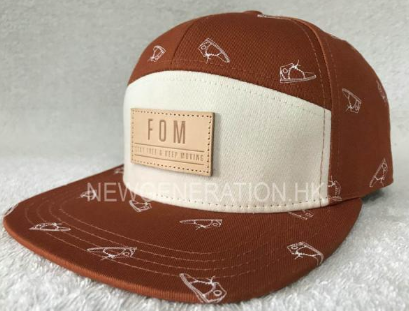
In today's ever-evolving fashion industry, customized hats have emerged as a defining accessory for expressing one's unique style. With an array of options available, hat design offers limitless possibilities to tailor headwear to individual tastes and specific occasions.

In the realm of fashion, baseball caps have transcended time to become an enduring accessory that enables individuals to exhibit their distinct style and personality.
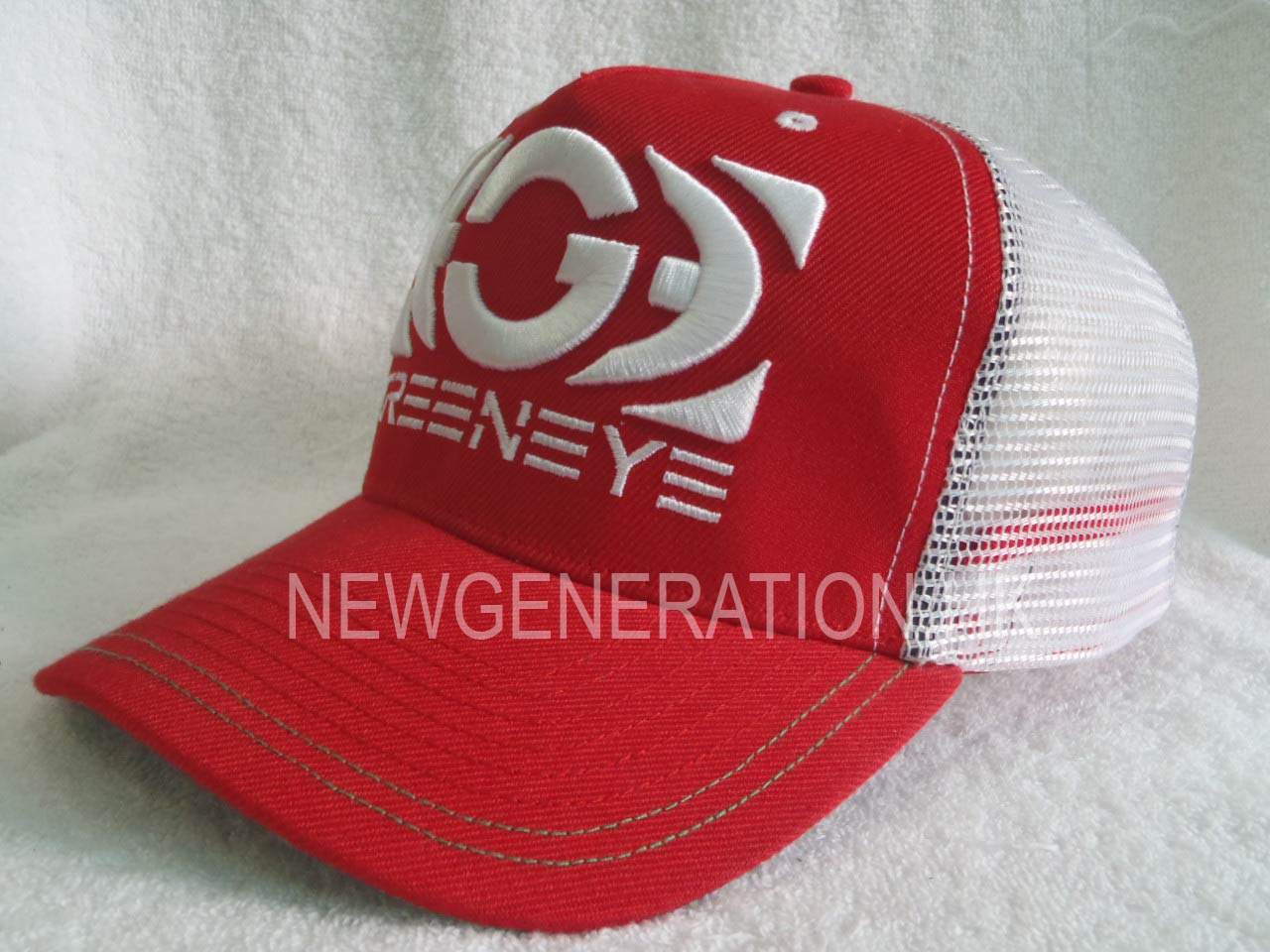
Caps are worn in many ways, for many reasons. They keep you safe from the sun, they give you a sense of protection, and they’re also a popular trend among young people. Caps come in all kinds of shapes, colors, and patterns—but snapback and baseball caps are the most popular. Let's take a look at what makes them different.

Beanies from cap manufacturer are a simple method for adding pizzaz to any outfit and to part your preparing time down the middle.