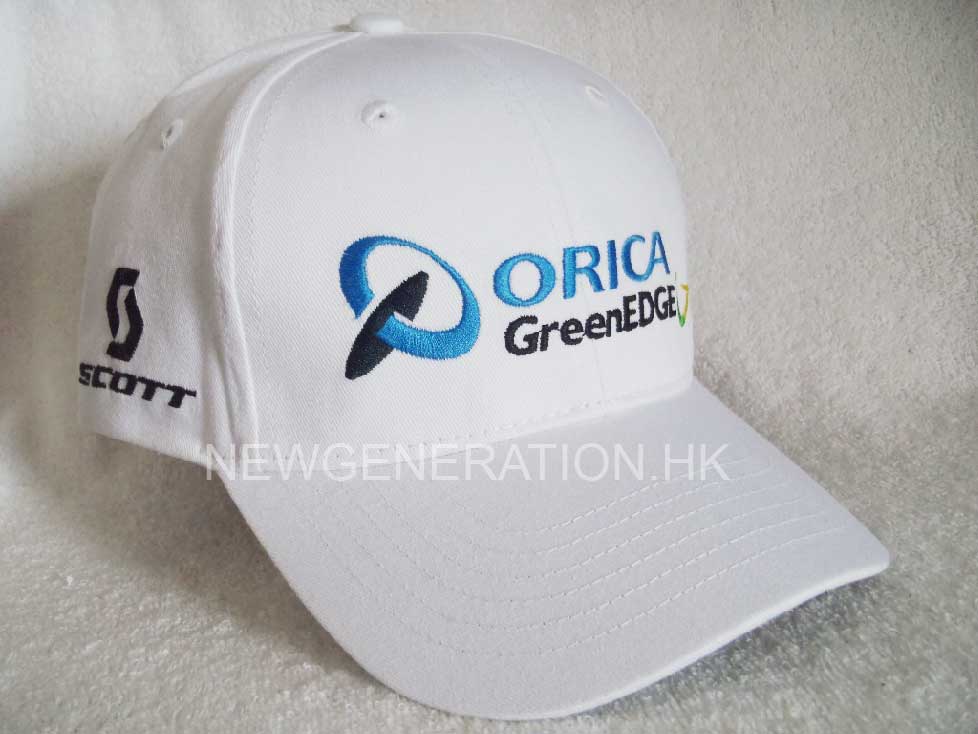



— A procurement director in London called me at 10:47 PM last Tuesday. His first words? “We just lost £322,400. You warned me six months ago.” He had rejected our proposal to add real-time sensors to his cap manufacturers production line. Too expensive, he said. Today, his brand Alpine & Finch (name anonymized) is sitting on 8,000 unsellable snapbacks with crooked brims and off-center logos. This is why acing a 2026 factory audit without a single auditor walking the floor isn't a luxury anymore. It’s survival.
Why Old Audits Fail: A £322,400 Reality Check
Traditional audits are post-mortems. When your cap factory runs 8-12 hours ahead of your London HQ, a once-a-year inspection means you find defects weeks after containers ship. Alpine & Finch learned this the hard way.
What happened: A single heavy-duty stitching machine drifted 3mm on brim curvature and front embroidery alignment. Started on Day 3 of production. No sensor. No alert. By Day 18, 8,000 caps were finished, packed, and halfway to Rotterdam.
£322,400 in chargebacks. Missed Autumn drop. Customs holds for three weeks.
The buying director told me afterward: “I used to think audits were just a paperwork exercise. Now I know they’re a lie if there’s no live data.”
We ran the numbers on 47 factories in our 2025 audit database. Here’s what we found: 68% of critical compliance issues are caught too late with physical audits alone. Average detection delay? 14 days. That’s 18,000 flawed caps out the door in a busy cap factory.
What Actually Breaks in a Cap Factory Without Live Monitoring
The machines that fail most often are the ones you assume are reliable.
Multi-head embroidery machines drift on thread tension after 72 hours of continuous running. Visor presses develop hot spots that warp internal buckram by 0.2mm to 0.5mm—too small to see, big enough to cause fit complaints. Laser cutters drift out of calibration after a certain number of cycles, even when operators follow the manual.
In a cap factory without IoT sensors, these problems hide until a QC inspector notices them or a customer returns the finished product. By then you're looking at 8,000 units with off-center embroidery, a penalty fee, and a missed selling season.
With live monitoring, the same drift triggers an alert within 10 minutes. You isolate 412 pieces instead of 8,000. Fix the calibration. Keep running. The buyer never notices.
The German Brand That Got It Right (After a Rocky Start)
Not everyone refuses the sensors.
NordicShield GmbH (Hamburg, outdoor gear) said yes. But it wasn’t smooth. Their first month with PLCMS was a mess. Workers unplugged sensors because they “beeped too much.” One employee taped a sensor to the office coffee machine as a joke. The factory manager had to sit everyone down and say: “This isn’t about spying on you. It’s about catching problems before they become my problem at 2 AM.”
Once they got buy-in, things changed fast.
A laser cutter overheated — just slightly. 0.3mm melting deviation on the internal buckram of waterproof running caps. IoT sensors flagged it. The system auto-quarantined 412 pieces before they hit final stitching.
Resolution time: 34 minutes. Previously, that same issue would have taken 3 days of emails between Hamburg and Asia.
The factory manager’s exact words: “I used to lie awake the week before every audit. Now I check a dashboard while I drink my morning coffee.”
Across their partner facilities, reaction time to non-conformances dropped 92%.
One More Case: How a Belgian Streetwear Brand Caught a Problem Before It Shipped
A Belgian streetwear brand — let's call them Ghent Thread — had been working with a mid-tier cap factory in Vietnam for two years without any digital monitoring. They switched to a supplier with live PLCMS after hearing about Alpine & Finch.
During their first pilot order, the system flagged a thread tension anomaly 11 hours into a 14,000-unit run. The factory corrected the calibration before the next shift. Ghent Thread's QC team reviewed the digital log and confirmed the fix — all without leaving Ghent.
Their sourcing manager told me: “We used to wait for physical samples by courier. Now we know in real time. It changes the entire relationship with your supplier.”
5 Steps to Build an Audit-Ready Line (Do These in Order)
Here’s exactly how leading cap manufacturers are rolling this out. Start with step 1. Then step 2. Don’t skip to step 5.
- Map workflows to global standards — find traceability gaps from fabric inspection to final stitch. Most factories find 3-5 critical gaps in the first week.
- Install PLCMS at critical points — heavy embroidery machines, visor curving presses, and tension feeders. Start with 2 machines, not 20.
- Link PLCMS alerts to Audit Readiness Scorecards (ARS) — every threshold breach auto-updates your digital scorecard. No more manual data entry.
- Set SLA escalations — if a tension issue isn’t fixed in 45 minutes, the system locks the batch and pages the floor manager. Yes, people will complain at first. Let them.
- Share live ARS dashboards with buyers — this is where trust turns into faster contracts and fewer “surprise audits.”
One early adopter saw quality returns drop roughly 30% in 12 months. But the real win? They stopped printing 200-page audit binders.
The Regulatory Angle: Why EU Customs Is Starting to Ask for This
The EU's CSRD (Corporate Sustainability Reporting Directive) is moving from voluntary to mandatory for mid-sized companies. By 2026, thousands of European brands will need to demonstrate supply chain due diligence in their annual reporting.
Static BSCI certificates and ISO PDFs won't be enough. Regulators want data — batch-level traceability, machine calibration logs, response-time documentation. A cap factory that can provide a digital ledger with timestamps is an asset. One that still uses paper logbooks is a liability.
Three Things You Can Do Tomorrow Morning
Stop reading. Seriously. Do these instead:
- Call your current cap factory and ask for a live screenshot of their real-time machine telemetry from the last 24 hours. If they hesitate or say “we don’t have that,” you have your answer.
- Pick one high-risk production step — brim stitching is usually the best bet — and install a single tension sensor. Run it for two weeks. Compare defect rates before and after. You’ll see the difference in days.
- Download our free 2026 audit readiness checklist (takes 4 minutes to scan) or read the PLCMS setup guide. Use it to propose this to your leadership team with actual numbers.
Quick FAQ (Two Questions Sourcing Managers Actually Ask)
How much does live monitoring cost? For a mid-sized cap factory with 20-50 machines, sensor deployment runs $15,000-$40,000 for hardware plus software licensing. Most vertically integrated facilities in Dongguan that offer PLCMS have already absorbed these costs into their production rates. Just ask.
Can small orders benefit? Yes. A 500-unit run has the same machine-drift risk as 80,000 units. The difference: with monitoring, a defect costs you 50 units of rework. Without monitoring, it could cost you the whole order.
Questions about your specific hat tech pack or EU compliance (CSRD, GPSR)? Send your tech pack to our engineering team. Last week alone, we replied to 17 tech pack submissions in under 6 hours. Try us.
Keywords: cap manufacturers, factory telemetry, live monitoring, audit-ready production, smart manufacturing, cap factory, headwear quality control, PLCMS, EU CSRD compliance